Solo Travel on a Budget: Where the Money Actually Goes
Traveling alone is more expensive per person than traveling with…
Traveling alone is more expensive per person than traveling with another person, and it’s advisable to be aware of this before making your booking. For a single traveller you have to pay for the entire room, the entire taxi, and in some cases a ‘single supplement’ which the tour companies charge because you are one person. On the positive side, most of the additional cost is something you can anticipate, and most of it can be avoided.

Know the four things that eat your budget
Almost the entire amount of your money is spent in four areas. Work out those four first and then worry about the rest.
The way to get there is by flying or taking the train, since these methods usually involve the largest single portion.
Accommodation is your biggest daily expense and the one aspect that you have the most control over.
It’s easy to spend too much on food without realising it.
Activities and additional items such as tours, entry fees, souvenirs, and those occasional buys.
Include a fifth line for insurance and emergencies since you shouldn’t omit it; having only a little buffer means that losing a card or missing a connection will be a minor inconvenience rather than a serious problem.
Pick the destination before you pick the dates
The country you visit has a greater influence than any method of saving; a week in one country may cost either half or twice as much as a week in another, even if you are living in the same way.
Before you book, it is important to compare destinations on the basis of daily costs rather than just the price of the flight. A flight that is cheap but takes you to a costly city is a poor deal. Check the usual prices for hostels, meals, and local transportation and then decide on a daily amount that you can afford.
If you’re going, try travelling outside the peak season since the shoulder season usually involves cheaper accommodation, fewer people, and the same attractions; the drawback is the weather, so you should check what the weather is like during those months.
Accommodation: where solo travelers can save the most
In single rooms the cost for one person goes up. Here are some ways of reducing that cost:
In hostels, a dorm bed is generally much cheaper than a private room and is the best way to meet other people. If you don’t prefer dorm beds, many hostels do provide private rooms at a lower price than hotels.

Guesthouses and those run by families. They are often cheaper than hotels and have more local character together with useful advice from the owner.
Staying in one place for a longer period of time, many hosts and apartments offer a discount for either a week or a month, and as a result you no longer have to pay for transport between destinations.
A bit away from the centre. It’s possible to get a much better price if you walk for 15 minutes or take a short bus ride from the main area, just make sure the route is safe and easy to use at night.
Booking the cheapest option should be avoided since a poor night’s sleep or anxiety about security isn’t worth saving a few pounds. Instead, it is advisable to read the most recent reviews first.
Food: spend where it counts
Since you are required to eat three times a day, small differences quickly accumulate.
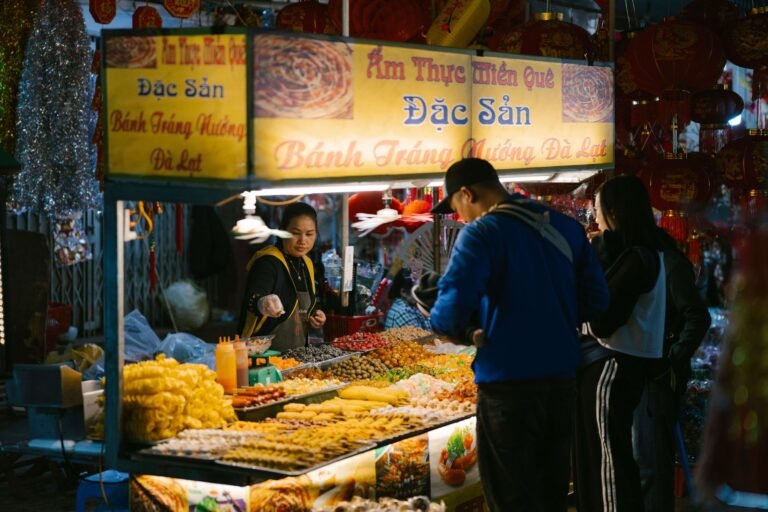
It’s best to eat the main meal that the locals have. Lunch specials and set menus generally offer better value than dinner. Don’t go to restaurants on the main square that have menus designed for tourists.
You should use markets and bakeries; a fresh meal, a fast breakfast, or a picnic costs only a small part of the price of a full sit-down meal.

Whenever possible, use the kitchen. If the place you are staying in has one, preparing a few of your meals will help to reduce expenses, particularly on extended trips.
Unless you specifically ask for a drink, don’t buy them. The cost of bottled water, coffee, and alcohol can accumulate. If the tap water is safe, then a reusable bottle is a good idea, so you should check with local sources.
It is one of the features of the trip to eat out by yourself. Never omit a meal that is worth having just in order to cut costs. Choose the places that are important and keep within your budget at all the other places.
Getting around
Go on foot when you’re able since it’s free and you’ll see more.
Take the local public transport; buses, trams and metros are much cheaper than taxis. If you’re going to use them frequently, consider getting a day or multi-day pass.

It’s best to book long-distance trips as far in advance as possible since trains, buses, and flights are generally the cheapest when booked early. You can also cut costs by choosing slower modes of transport, such as night buses or regional trains, and traveling overnight will mean you don’t have to pay for a night’s accommodation.
When it comes to “cheap” budget flights, be sure to total up the costs of baggage, seat selection, and airport transfers before you conclude that you’ve found the best deal.
Be careful with taxis and airport transfer services since it is at these places that tourists are often overcharged. Either familiarise yourself with the standard fare or use a ride-hailing app that you can trust.
Activities: choose a few and skip the rest
Entry fees and the cost of tours can quickly use up your budget. Before you go, draw up a short list of the things you would regret not seeing, and regard all the rest as optional.
Check out the free activities. A number of cities provide free walking tours (it is customary to tip the guide), free entry to museums, parks, viewpoints, and markets.
Look at the combination tickets and passes. They will only give you money-saving benefits if you actually use them, so work out the figures first.
Omit the activities that you’re doing merely for the sake of the photograph. If you wouldn’t find them enjoyable without the picture, then they are likely not worth the cost.
When booking, be careful as group tours may impose additional fees for individuals. It’s a good idea to ask before you book.
Watch the small spending
Big expenses catch your notice, while small ones siphon away your resources quietly—such as a coffee here and a snack there, or a souvenir that you never intended to buy. Over the course of a trip they can add up to the price of one night’s accommodation or even more.
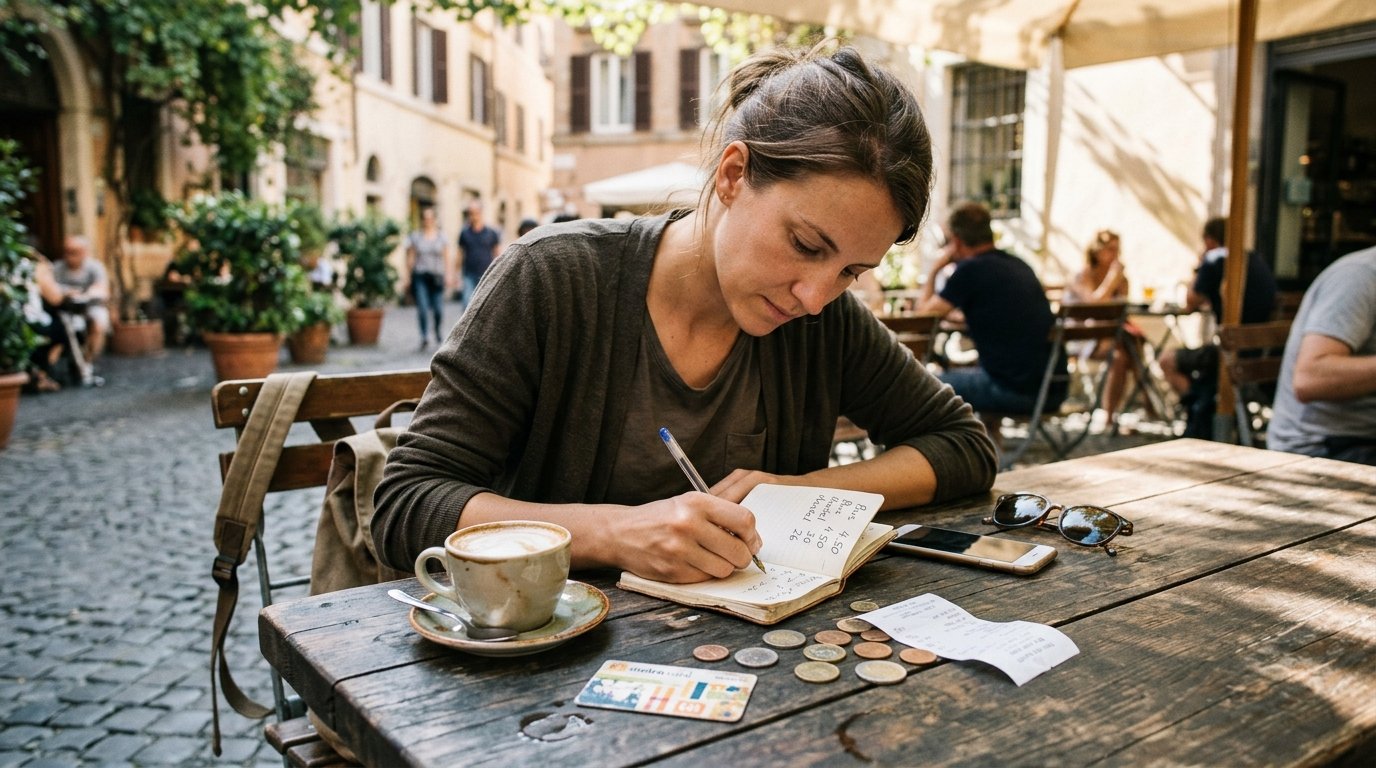
A simple habit works by setting a daily spending limit and then checking it every evening. It only takes two minutes and allows you to notice early if you’re going over.
Money mechanics that save you more than you’d think
It’s best not to use the currency exchange booths found at airports and in tourist areas since the exchange rates are generally bad. Using an ATM at a bank is often a better option, but you should first check the fees charged by your bank.
Make payment in the local currency. If a card terminal or an ATM offers to charge you in your own currency, say no to it since the exchange rate in such cases is generally不利.
Use one of the cards that has either low or no foreign transaction fees. It’s a good idea to look over your choices before you travel. Take a spare card.
If your bank require it, let them know that you’re going to be traveling so that your card doesn’t get blocked.
For emergencies it is advisable to keep a small amount of cash separate from your wallet.
Where not to cut costs
Certain savings turn out to be worth more than they cost.
Insurance doesn’t protect you because a single medical bill can destroy all your savings.
It’s important to have a safe place to stay and not choose one with bad security or a bad location just to save a little amount of money.
It’s better to take a late-night taxi than to walk along an unfamiliar route in order to save a few pounds.
When it comes to food hygiene and health, falling ill costs more money and takes up more days than eating a more expensive meal.
A simple way to plan your budget
Set your total amount and work out how much you can afford to spend on the entire trip.
Start by deducting the major and definite expenses: flights, insurance, and the cost of the first few nights’ accommodation.
Take the remaining amount and divide it by the number of days; that will give you your daily budget.
Allow for about 10 to 15 percent in case of any problems or temptations.
Just keep an eye on it; you’ll need only a notes app.
Should the figure for the day seem too low for the destination, then you have three choices—select a cheaper location, reduce the length of your trip, or increase your savings. All of these alternatives are better than finding yourself out of money halfway through.
Mistakes that quietly cost the most
It is advisable to book your flights before looking at the daily costs at the destination.
Selecting accommodation based only on price without looking at the most recent reviews.
Having all your meals at restaurants that cater to tourists.
Neglecting to take solo supplements when on tours and in rooms.
Using the currency exchange booths at the airport or agreeing to dynamic currency conversion.
Giving away a lot during the first few days and ending up with nothing.
Omitting insurance in order to save a small amount.
The short version
Although travelling alone is more expensive per person, the additional cost is concentrated in a few areas—namely accommodation, transport, and one or two extra charges. If you keep a close eye on these, eat at places that the locals go to, select a few activities that are worth the money, and keep some extra funds aside, you needn’t try to travel cheaply in all aspects. What’s important is that you understand where your money is being spent so that you can allocate it to the things that really matter.