25 Essential Solo Travel Safety Tips (Plus Pre-Trip Checklist)
You can travel on your own. You can set your…

You can travel on your own. You can set your own schedule, choose the food and the places you would like to visit, and no one will have the power to refuse your “pastry of the day”. You’ll have to take care of both your security and your own well-being. Yet this doesn’t mean that you should hesitate to go out on your own. Whether you are planning a trip all by yourself, arranging a weekend getaway or deciding to travel for a whole year, a little bit of preparation can make a big difference. Below are 25 tips on how to travel alone safely.
Before You Go
1. Be certain to complete your homework on the destination.
Before you get there, spend one evening getting used to your surroundings and becoming acquainted with the area. I would check:
Which neighborhoods are great and which ones to skip after dark
How public transit works, and what a normal taxi fare should be
The classic tourist scams, so you can feel a little smug when someone tries one on you
Local laws, customs, and dress codes
Emergency numbers and the nearest hospital (boring, but you’ll be glad you have them)
If you arrive there at 11 p.m. and the driver asks for three times the normal fare, you should just smile and go to the next taxi since you know what the standard rate is.
2. You should not make up your mind about where to stay merely on the basis of the price.
I can understand why a person might go for a cheap bed, but lodging in a budget hostel in a remote part of the city can easily ruin the rest of your trip. While going through the most recent reviews, check out the remarks left by other people travelling on their own and note what they say regarding the location, safety in the evening, whether the front desk is staffed, and the general vibe of the street.
Envision the following situation: if you save $8 every night yet pay $20 for a taxi each evening simply because you don’t want to walk, then that situation is not a good arrangement.
3. Let someone know where you are going.
You needn’t text your mum every hour, but then one person at home should have information regarding your flights, your bookings, and an approximate idea of where you’ll be each day.
4. Make copies of your important documents.
Your journey will be ruined if your passport goes missing, so be certain to have both a digital and a printed copy of:
Passport and photo ID
Visas and entry permits
Travel insurance details
Medical records or prescriptions
A helpful tip is that if you store encrypted copies in Google Drive or iCloud you’ll be able to access them from any device, including one that you’ve borrowed; and when your bag is lost you’ll find yourself very pleased that you’d carried out this action at home on a calm Tuesday.
5. Do not put all your money in one place.
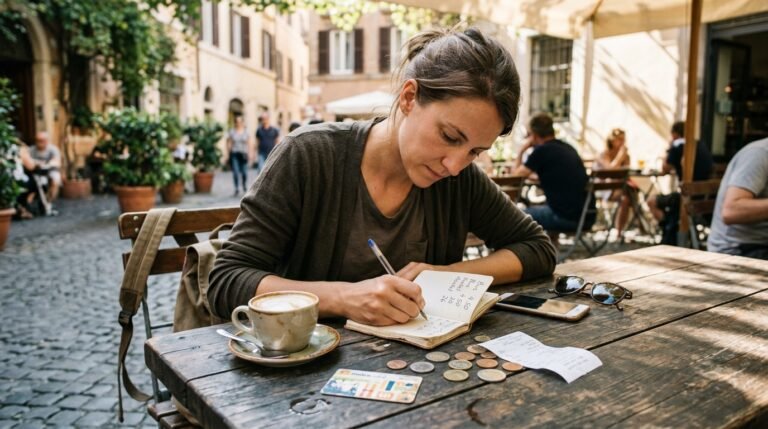
If all the items in your wallet have been stolen the trip becomes very stressful. Bring your main card along with a small amount of cash and store a spare card and some emergency cash in your suitcase or in the safe in the room.
Out in the World

6. Ensure that your phone stays safe and take your power bank with you.
The phone is useful for taking selfies and also acts as a map, a translation service, and a source of assistance when you’re in difficulty. In order to protect it, you should set a strong passcode or use biometric authentication. I really do think you should not allow that phone to go out of sight. Also, take a power bank with you because nothing causes such anxiety as having a battery draining in an unfamiliar city.
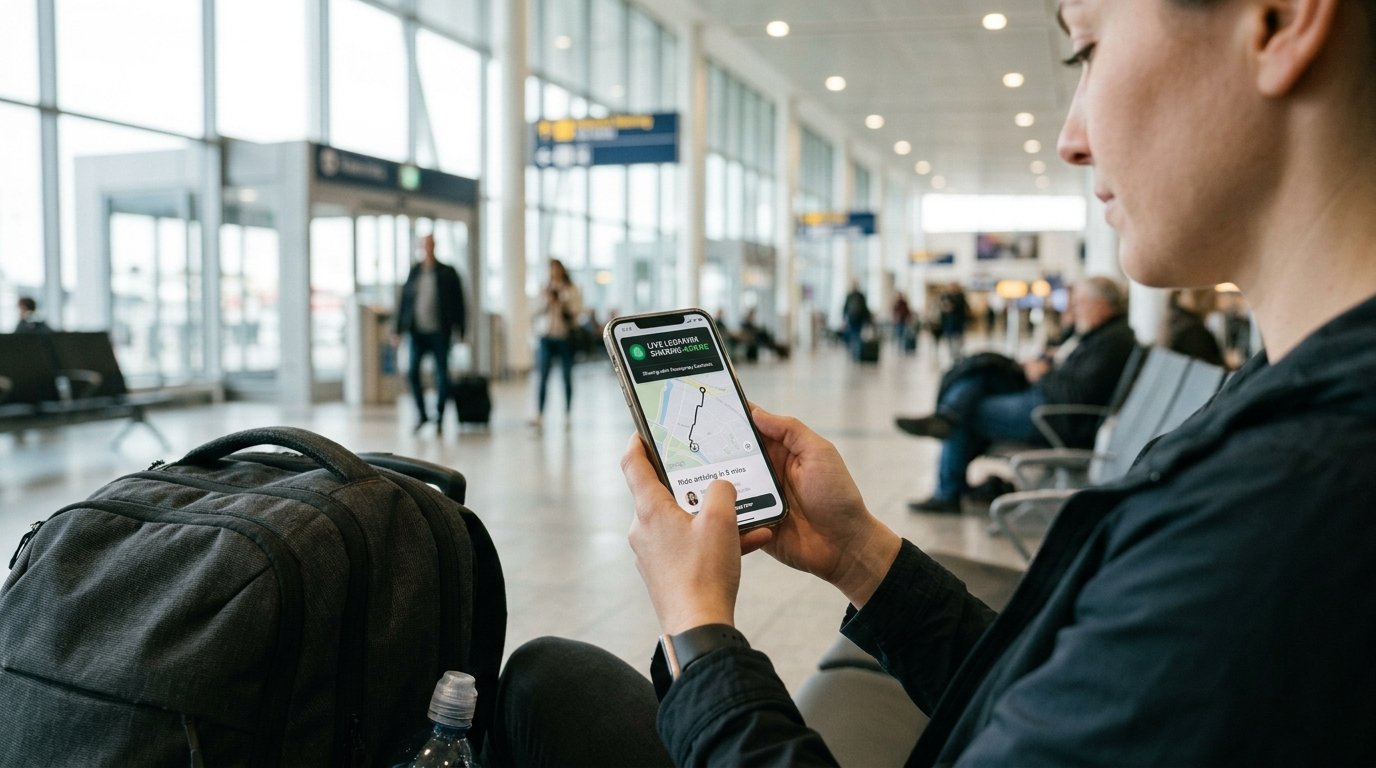
7. Arrange your airport transfers before you arrive at your destination.
Jet lag has a significant effect, which is the reason why costly cabs or unreliable drivers will begin to circle you. It’s important to make your taxi arrangements at the airport a good deal of time before you land. Is it an official taxi that you want to book or are you looking for the pickup point for Uber, Grab, or Bolt? Or have you decided to take the bus or the hotel shuttle? Consider this in advance since your tired state will benefit from it.
8. Choose Safe Rides
Stick to using official taxis, trustworthy ride-sharing services, or public transportation that has a good reputation. When it comes to a taxi that doesn’t have a meter, agree on the price before getting into the vehicle. If you feel uncomfortable or notice the driver choosing an odd route, ask to get out at a busy and well-lit place. You have no need to make any excuses—just look after your own safety.
9. It should be clear that I am acting alone.
People need not be made aware of your private affairs; when asked if you are staying alone or about your precise location, you should remain vague and just say that you’ll be meeting some friends later or give a general area rather than naming the actual hotel.
10. Trust your instinct
You typically sense danger before your brain does; therefore, if somebody is asking you a large number of personal questions or you find yourself suddenly all by yourself on a dark street, follow that instinct by going into a busy shop or restaurant and taking a break. There’s no need to explain yourself—all you need to do is look after yourself.
Smart Habits While Exploring
11. Be conscious of your surroundings.
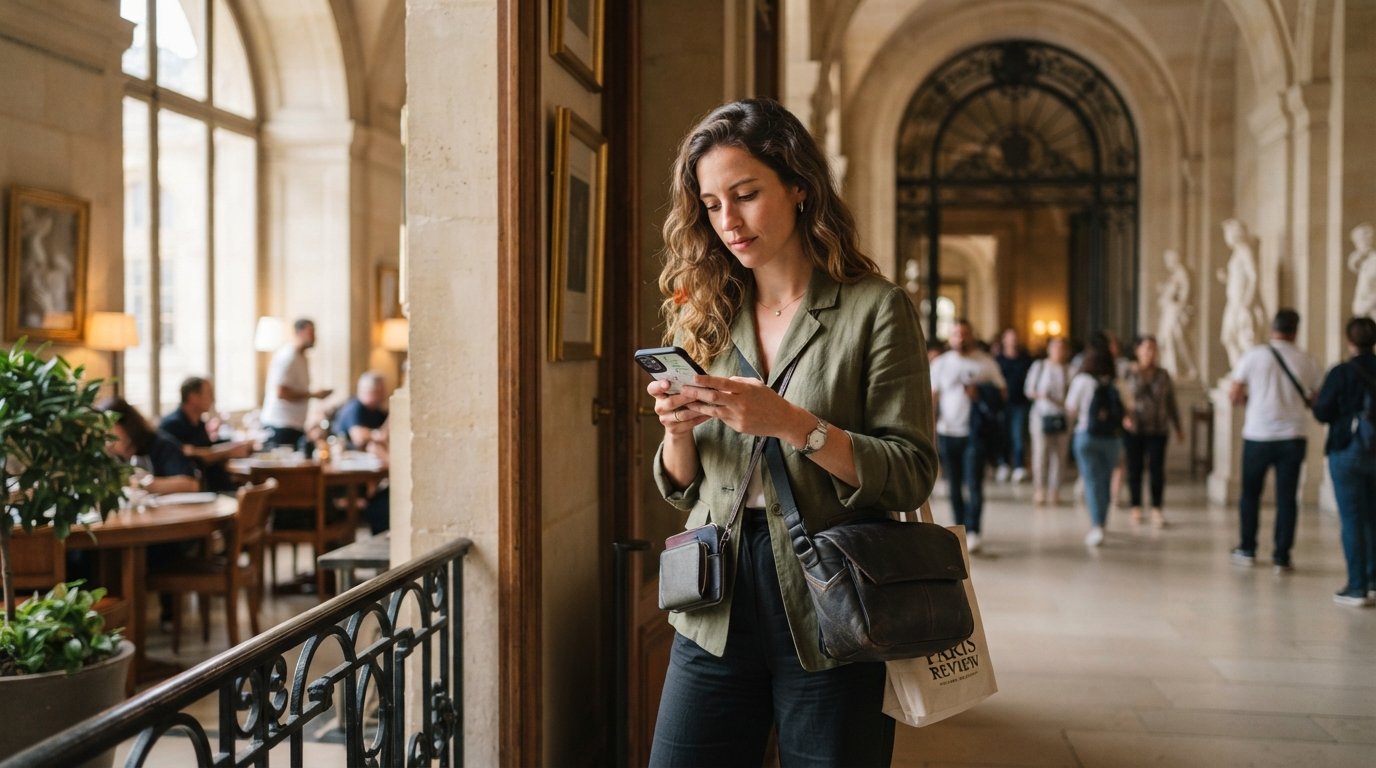
You don’t need to be paranoid. Just stay aware. Of walking around with your phone in hand and noise-canceling headphones in both ears keep one ear open. That way you can hear when someone is close. Pickpockets often go after people who’re distracted. Pay attention. Be present.
12. Skip the Bling
In unfamiliar areas avoid showing off expensive jewelry, fancy watches, designer bags or big camera gear. These things send a signal to thieves. They see a target. So keep the stuff hidden. It’s not about showing off it’s about protecting yourself. Less bling means risk.
13. Secure Your Bag When There Are Crowds
Pickpockets rely on distraction. In markets, subway stations and popular tourist spots they work fast. Use a -body bag with strong zippers or a bag designed to resist theft. When you’re in a place keep your bag in front of you. It’s not just safer it’s smarter. Keep it close. Keep it under control.
14. Don’t order many drinks
A drink now and then is fine.. Don’t overdo it. Stay in control. Always keep your glass in sight. Never accept a drink from someone you don’t know especially if it’s been open.. Decide ahead of time how you’ll get back to your hotel. Plan your return. Stay alert. Don’t rely on memory when you’re tired.
15. Set Clear Boundaries
Traveling gives you a chance to meet new people. Talk to locals. Share stories.. Don’t give out your passport, your cards or your keys to someone you just met. Even if they seem kind or friendly trust your gut. Keep your items to yourself. You can be open and kind, without giving away your safety. Protect what matters.
Health, Emergencies & Money Backups

16. It’s not advisable to be in alone places when it is dark.
It would be better to remain on the well-lit and busy roads than to go into the quiet alleys or the deserted beaches until daylight or when you are on a guided tour, as help will then be nearby.
17. Save your hotel information offline
Put the name of the hotel, its address and its telephone number into your offline maps (for example, Google Maps or Maps.me), and if there is a language barrier when giving the information to the taxi drivers, it would be a good idea to ask the reception for a business card.
18. Learn some local expressions.
Even a handful of words shows respect and makes daily life easier:
Hello / Thank you / Please
Excuse me / I need help
What about that? / Do you speak English?
No, thank you
19. Make sure you remember the local emergency numbers.
The numbers vary from country to country (for instance, 911 in the United States, 112 in Europe and 999 in the United Kingdom). At the same time, be certain to have the local police, ambulance and embassy numbers stored in your contacts.
20. It is advisable to purchase travel insurance.
Since medical emergencies, together with the cancellation of a trip and the loss of luggage, may all result in costly consequences, you should select a policy which provides coverage for emergency medical evacuation, trip interruptions, and theft.
Mindset & Prep
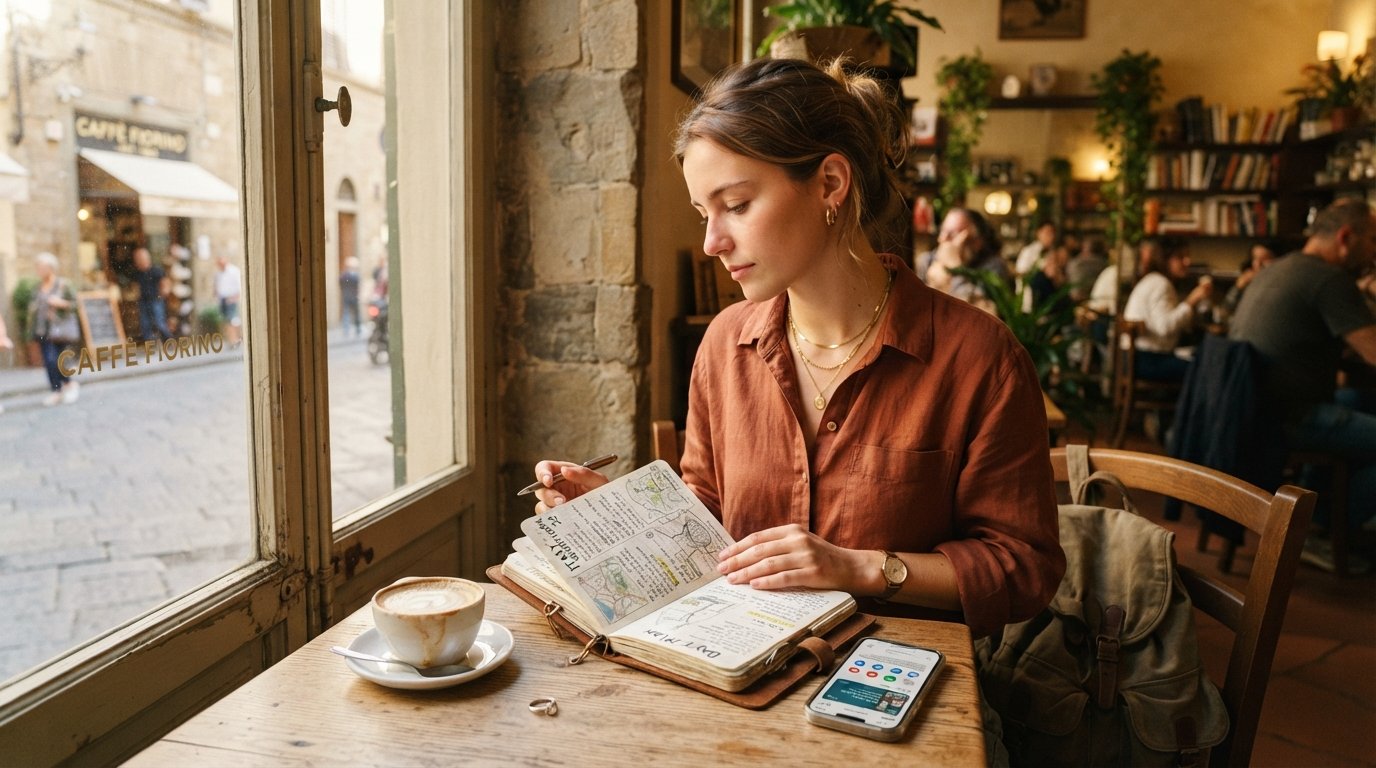
21. Respect Local Customs
Read up on dress codes (especially near religious sites), photo restrictions, tipping, and general etiquette. It keeps you out of trouble and makes you a better guest.
22. Keep an Emergency Cash Stash
Set aside some USD, EUR, or local currency, separate from your daily budget. If your card gets blocked or something unexpected pops up, you’ll be glad it’s there.
23. Always Have a Plan B
Run a few “what if?” scenarios before you head out:
- What if my phone dies?
- What if my card gets declined?
- What if I miss the last train?
Knowing your backup options keeps panic at bay when things go sideways.
24. Don’t Let Fear Run the Show
Safety prep isn’t about being scared. It’s about buying yourself freedom. Once the basics are covered, you can relax and enjoy the trip.
25. Trust Yourself
Solo travel builds serious confidence. You’ll find out you’re tougher, more resourceful, and more capable than you thought.
What to Do If You Feel Unsafe
If something feels wrong
It is more important to stay safe than to be nice. You don’t have to explain anything or stay quiet in a situation that makes you uncomfortable. Go to a place where there are a lot of people. Then go into a store a hotel lobby or a restaurant. Ask the workers for help. Tell one of them that you are being followed or that you need help. If you want to call emergency services you should immediately call the police if you are in danger.