How to Eat Alone in a Restaurant (and Actually Enjoy It)
For the first time, the idea of having a table…
For the first time, the idea of having a table for one seems odd. When you enter the restaurant, the waiter asks “just one?”, and for a moment it’s as if all the people in the room have noticed you.
This is not the case. Generally, people are looking at their own food, their own phone, or at the person sitting opposite them. It is one of the most common things that travellers do when eating, and after having eaten a few meals it no longer seems like a major issue at all.

Why it feels awkward (and why it mostly isn’t)
The discomfort is basically all in your mind; you think that people are judging you or believing that you have no friends. In fact, no one is considering it at all, since a great many of the people in the restaurant are eating alone, particularly in cities, close to railway stations, and in places which have a lot of travellers.
If anyone does notice, they’ll probably think “that seems relaxing” rather than something negative. It’s perfectly all right to take your time eating your meal; that’s exactly why restaurants exist.
Start with easier settings
You needn’t start off with a candlelit dinner for two; just gradually develop it.
Cafés and bakeries—having just coffee and a pastry is the least demanding choice. It is no surprise to anyone.
There’s lunch; midday meals are usually cheaper and more relaxed, and it is common for people to eat alone.
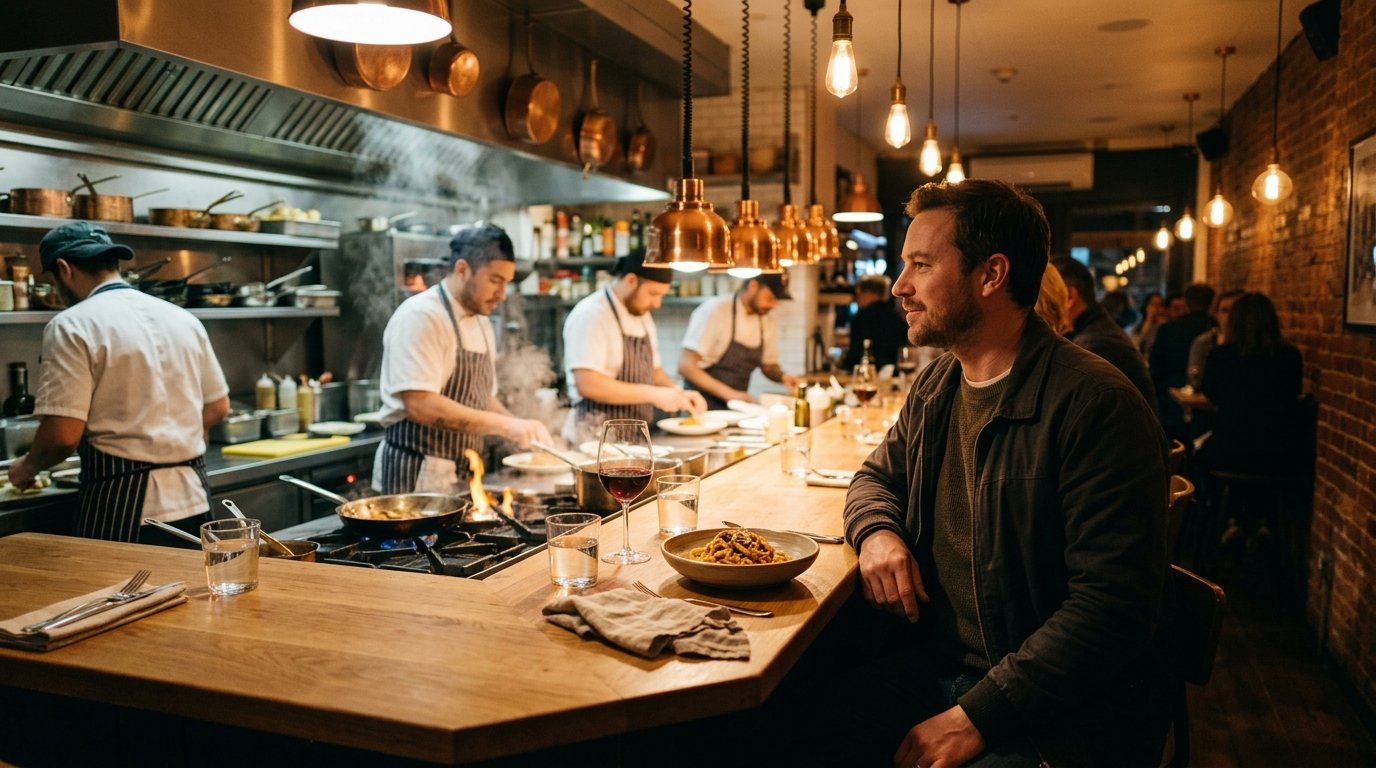
The counters and bars have seats designed for individuals who are there by themselves; from them you have a view of either the kitchen or the room and often get the opportunity to talk to the staff.
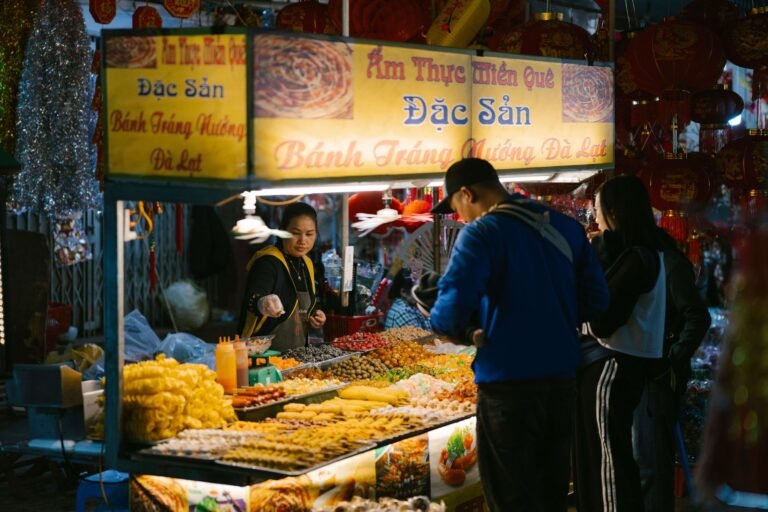
The street food and markets allow you to eat while standing or on a bench, alongside so many other people, which in this way makes feeling alone seem natural.
There are food halls with a wide variety of options, a lot of people eating alone, and no formal tables.
When you’re at your ease in that place, having a seated dinner is just a small step.

Pick places that suit solo diners
The difficulty of eating at certain restaurants alone is less than at others.
It is easier to eat at casual restaurants that have simple menus than it is to eat at formal ones that offer sharing platters.
In places that have counter or window seats you have a spot where you can sit which isn’t a table set for two.
In busy restaurants it is less awkward to be there than in empty ones since you manage to blend in.
Staying near local areas means you’ll need much less walking to get home, particularly in the dark.
It’s a good idea to look at the reviews and photos in advance; if you notice people eating by themselves, that’s a positive sign. Additionally, some tourists will message the accommodation or ask them for suggestions as to places that are suitable for a solo diner.

What to do when you sit down
You should request the table that you would like; if the only one available is next to the toilets or in the middle of the room, it’s acceptable to ask for a different position, for example one by the corner, by the window, or at the bar. Most establishments will be happy to move you.
There’s no need to feel guilty; all you have to say is “Just one, please”. You’re just like all the other customers in that you have paid.
Place exactly what you truly desire; there’s no need to order quickly or in large quantities. You can take all the time you need considering the menu.
Consider the portion sizes since a great many dishes are meant to be shared. Find out from the staff what size would be appropriate for a single person and they will usually be able to give you a helpful response.

What to do with your hands (and your eyes)
It is here that the majority of people have difficulty. There are a few possibilities, all of them acceptable:
Keep an eye on the room; it’s more interesting to observe how a restaurant operates and to see who enters and what other people order than it might at first sound.
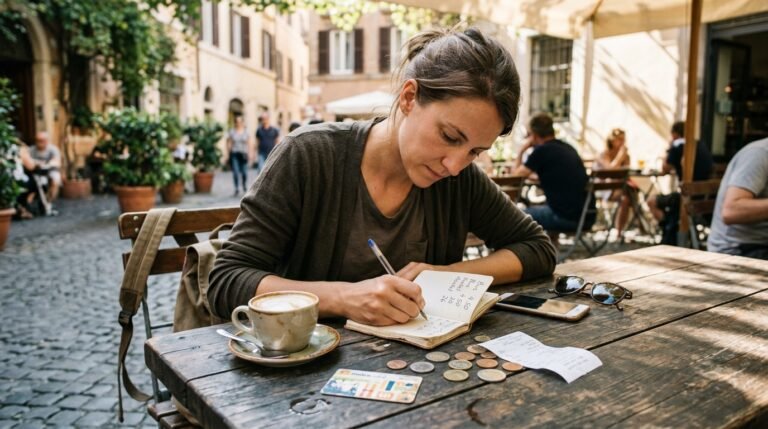
Whether you are reading or writing, having a book, a journal, or a notebook provides you with something to do between classes.
Tomorrow’s plan should be made. Refer to your map, look at your next stop, or draw out the route for tomorrow.
Take photographs or make notes of the food; that is a good method of remembering the trip.
You can use your phone, just not the entire meal; it’s all right to take a break. But if it takes over, then you lose the best aspect of eating by yourself, namely the ability to notice things.
Just stay where you are. At first, it may seem strange to sit down and eat without being distracted, but then it can become rather pleasant.
If you are able to, have one meal without using your phone; it’s usually the one that you recall.
Talk to the people around you
Going solo doesn’t mean remaining silent; you needn’t speak to anybody, but it’s easy to do so if you wish to.
Ask the staff for their suggestion. If you ask them what the best item on the menu is or what they themselves would order, you’ll probably end up with good food and often have a pleasant conversation.
Have a chat at the counter; if you’re sitting at a bar or at the counter, making a short remark about the food or the area usually results in some kind of interaction.
It is advisable to use the shared tables; in some locations there are long communal tables, and they are one of the simplest methods of meeting other travelers.
If someone does talk to you, then be open to it; a friendly remark from the person at the next table is generally no more than that.
If you’re nervous about safety
It is normal and safe to eat by yourself in most places, though there are some habits that are helpful.
It is best to select places that are busy and well lit, particularly in the evening.
Do not let your bag dangle from the back; instead, place it on your lap or tie it around the leg of your chair.
Keep an eye on your drink and make sure it isn’t left unattended.
Plan how you will return to your accommodation. Do not stay out later than you planned just because you feel comfortable.
If you are going to a new place, let somebody know where you are when it’s evening.
If you’re eating somewhere unfamiliar
It is helpful to prepare yourself when you are in a country that has a different language or customs.
Start by finding out the basic rules: how is the ordering carried out? Do you pay at the table or at the counter? Is it necessary to leave a tip?
Learn some essential phrases, for example “a table for one”, “the bill, please”, and your allergies or dietary requirements.
If you need it, use a translation app for the menus.
See the opening hours; in certain places restaurants close between lunch and dinner, or late in the evening.
Why not try one of the local dishes? If you don’t know which dish to have, you can ask what is the one that people generally go for.
If you’re allergic or have any dietary requirements, then find out how to express them in the local language and put them on your phone so that you can show them to the staff.
When it still feels uncomfortable
It’s perfectly normal for some meals to seem uncomfortable, and here are a few things that can help:
Break it down into small steps: begin with the coffee, then have lunch, and afterwards eat a quiet dinner.
Give yourself an excuse. Saying “I’m trying this famous dish” turns it into a plan instead of something you’re just waiting for.
If you find that a sit-down meal is too much, then have your meal at a park bench or by the water with food that you have bought; it will still count.
It will become easier, though the early ones are the most difficult.
It’s entirely all right to occasionally skip a meal at a restaurant. Eating by yourself should be a pleasant experience, not something you have to go through.
A simple way to build confidence
On day one I had coffee and something small at a café.
On day two, have lunch at a casual type of place or at a market.
On the third day we had dinner at the counter of a busy restaurant.
Next, choose a place you’ve wanted to visit and either book it or get there early.
You needn’t go through all of them; just do the thing that seems manageable and then move on when you’re ready.
Mistakes to avoid
Because a restaurant seems too awkward, one only eats fast food or meals served by room service.
Selecting a restaurant that is very deserted so that you will feel more noticed.
Focusing on your phone throughout the whole meal.
Going through the food so as to get out of there sooner.
Omitting food that you really want to taste because it’s meant to be shared.
Assume that people are judging you.
The short version
The feeling of eating by yourself is greater than it actually is. Begin with simple settings, select a place that is suitable for you, order only the food that you really want, and take your time. Once you’ve had a few meals like this, it ceases to seem like eating alone and instead starts to feel like a nice part of the day that is all your own.