
How to Make Friends While Traveling Alone
Before they travel alone, most single travelers worry about one…
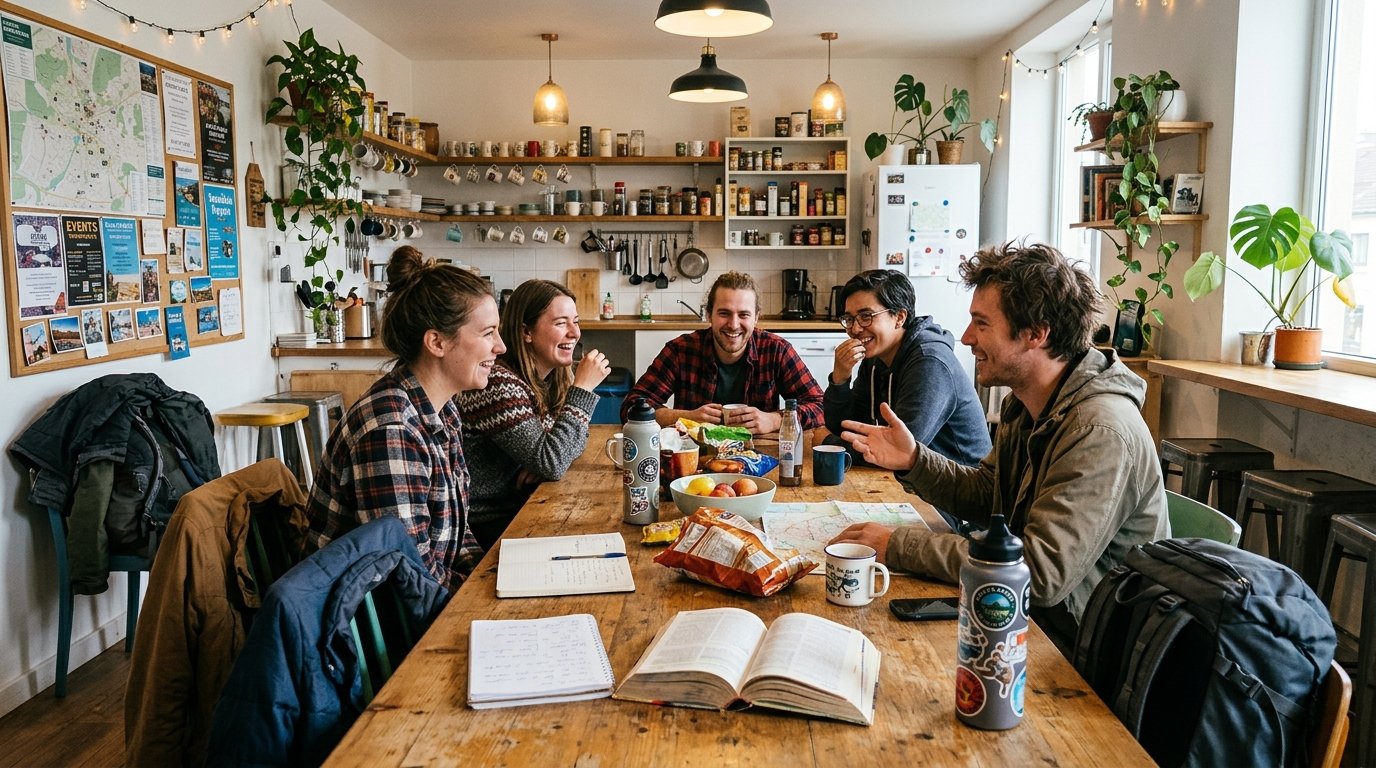
Before they travel alone, most single travelers worry about one particular thing—that is, what if I turn up empty-handed? This is a reasonable concern and at the same time the simplest of the worries to overcome. Other solo travelers are also looking for company and generally appreciate it when somebody makes the first move.
The reason why meeting people isn’t that you have to be outgoing is that you should go to places where conversation naturally takes place and then say a few simple things.

Go where people are already talking
You won’t be able to make friends in a hotel room; the first thing you should do is select venues and activities that involve meeting people.
There are hostels; even if you don’t stay in a dormitory, most of them have common rooms, bars, and events that are open to the public. The best way to meet people is by staying in a dorm, since you automatically share a space. If you do want some privacy, then you should book a private room in a social hostel and spend your evenings below ground.
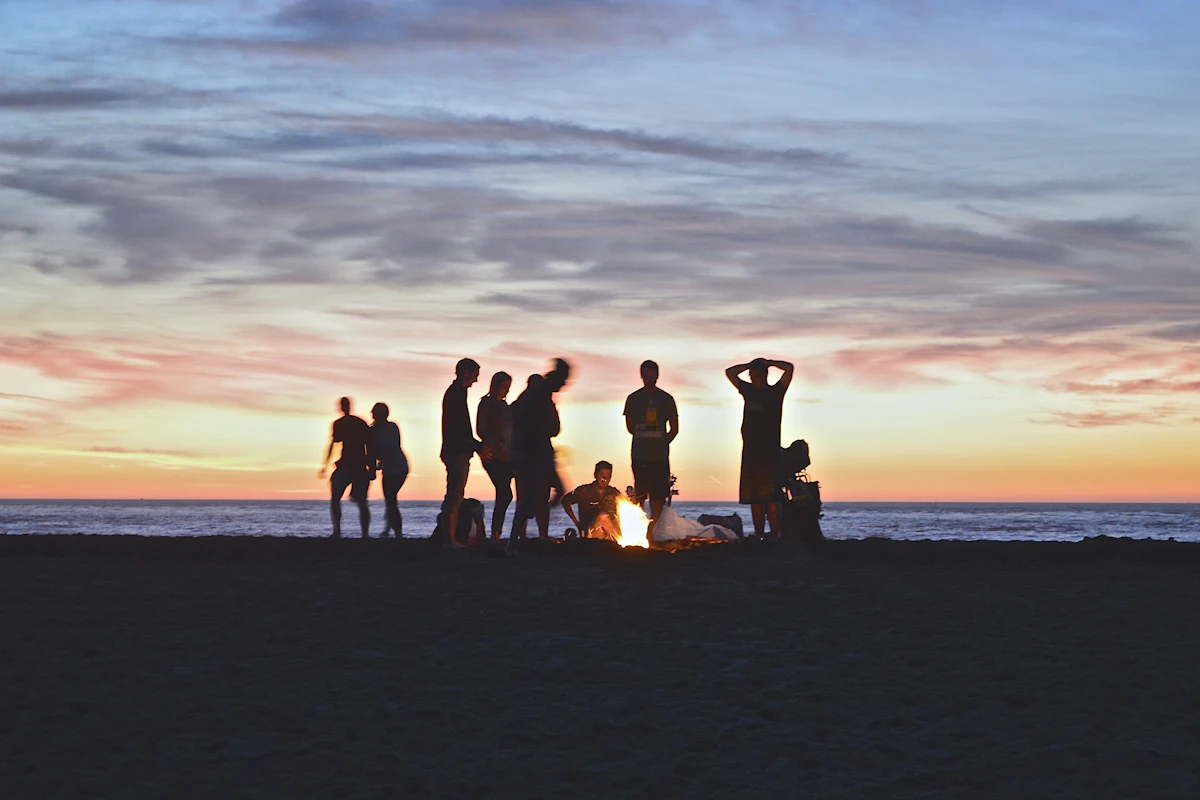
There are free and inexpensive walking tours; you’ll spend a couple of hours walking with the same small group and have plenty of opportunities to chat spontaneously. Towards the end, somebody usually recommends a coffee or a drink.
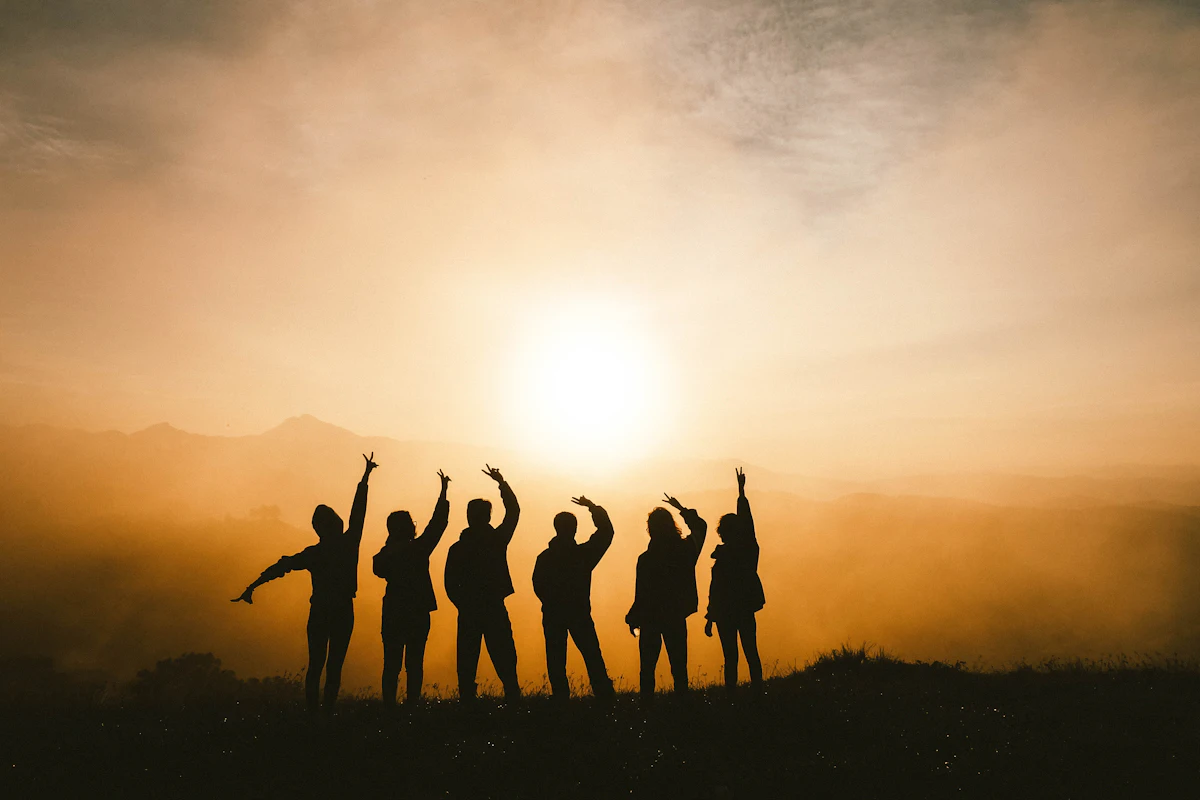
For group activities you could choose cooking classes, food tours, day trips, kayaking or hiking groups—something that is short enough for people to be able to talk and long enough so that they do.

There are shared tables and seating which is communal. In some restaurants, markets, and cafés there are long shared tables, so instead of sitting at a table for one you should sit at one of the shared tables.
Classes in language and local meetups are excellent when you’re staying in one place for a week or longer since you get to meet both other travelers and locals and have a ready-made topic.
Coworking spaces and cafés which cater to remote workers have a lot of people in them who are traveling alone and who are also tired of being by themselves.
Starting a conversation (the hard part)
The first sentence sounds more difficult than it actually is and doesn’t have to be clever. Here are some simple opening sentences:
So where are you going next?
For how long have you been here?
Have you gone to [place nearby]? Is it worth the visit?
Isn’t there a good restaurant in this area?
“Is anyone sitting here?”
Almost always, questions regarding travel arrangements, suggestions, and people’s previous destinations elicit a response, since everybody has something to say. You ask one, hear the answer, and then ask a further question. That is basically all there is to the skill.
You could also begin with something that is nearby—for example, the scenery, the tour guide, or the unusual menu—since shared surroundings provide a simple entry point.
Turn a good chat into a plan
A conversation can remain pleasant for ten minutes unless someone proposes the next step and that person might be you.

How about something small and specific: “I’ll be going to the market in an hour, would you like to come?”
Stick to something brief and non-threatening; it’s easier to agree to coffee, a walk, or dinner than it is to agree to an entire day.
If you want to keep in touch, then exchange your contact information or social media handle before you separate.
If someone says no or tells you they’re busy, it’s most likely due to their schedule; don’t take it personally and don’t feel the need to go into too much detail, just say ‘no worries’ and then leave it at that.
If you’re shy or introverted
You don’t have to change yourself into a completely different person; what you need is a method that is suitable for you.
Choose activities that are organised. With a class or a tour you have a subject to discuss and there is no need to break the silence.
Try to have one genuine conversation each day; that is a more manageable goal than “make friends” and still adds up.
It’s better to have smaller groups since a tour with eight people is less noisy than one in a hostel bar.
Take breaks. Have the morning to yourself and get together with people in the afternoon. It is completely normal to need some time off, not a sign of failure.
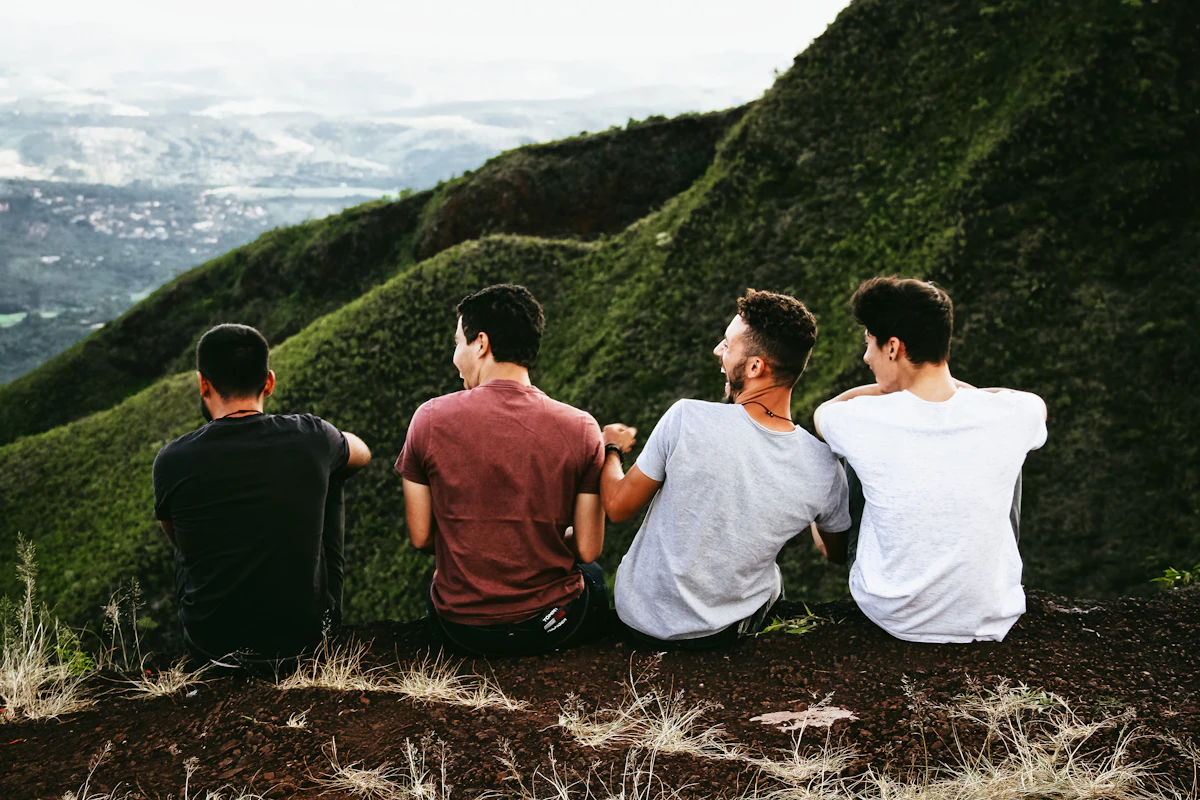
It’s best to arrive early since this way you are able to speak to people individually as they come in rather than having to go into a room that is full of people.
Using apps and online groups
There are various apps and online groups which link together travelers and residents, such as meetup groups, social apps that focus on travel, and those specific to hostels or cities. They can be of use in helping you find activities on the nights when you would otherwise be spending alone.
Use them with the same care you’d use anywhere:
Agree to meet in public places, particularly on the first occasion.
Make it known to somebody the place you’re going and the person you’re meeting.
Stick to your own route when you get home.
One should be careful about anybody who rushes to promote private arrangements, asks for money, or causes you to feel uncomfortable.
You’re always at liberty to say no and will never be required to give an explanation.
Balance new friends with common sense
Making new friends is one of the highlights of traveling alone, even though they are strangers, and it’s not necessary to be cautious in order to appear cold.
Retain your own accommodation and your own money. Do not surrender the control over both where you sleep and how you pay.
When it comes to alcohol and people you’ve just met, be careful and keep an eye on your drink.
You needn’t go travelling together and having dinner doesn’t mean you have to share a week.
If you feel pressured or uncomfortable, leave. You don’t need a reason.
Know when to move on
You may find that you get on well with a group only to realise it’s not the right match for you; for instance, they might want to go partying while you prefer visiting museums, or they might be moving at a speed you’d rather not have. That’s all right.
You might say, “I’m going to do my own thing tomorrow, it was great meeting you,” since most travelers will have done the same thing. When you travel on your own you get to set your own pace, and that is one of the main reasons for doing so.
Perhaps it won’t occur immediately?
It’s entirely normal for you at times to meet no one, particularly on the first one or two days in a new place since you’ve just come after a long journey.
It’s not a sign that you’re doing it wrong—try a different activity the following day or go to a different neighborhood. Many of the people who think they’re having difficulty getting connected are actually sitting two tables away from someone who is feeling exactly the same way.
A silent day is not a wasted one; indeed, a great deal of travelling alone involves learning to enjoy being by yourself, a skill that is useful regardless of whether or not someone joins you for dinner.
A simple plan for your first few days
Make sure to book at least one social activity within the first 48 hours, such as a walking tour or a class.
It is advisable to select a place to stay that has a shared space, even when you are occupying a private room.
Try to say hello to one new person each day since consistent, small efforts are more effective than infrequent and large ones.
Agree to one invitation that involves little risk, for example a group dinner in a public place.
Allocate some time to yourself. It’s okay to be social and at the same time need a break.
Mistakes to avoid
Having people come to you.
Remaining in your room since you are tired or nervous.
Selecting activities that involve no opportunity to talk, such as a large bus tour in which everyone remains silent.
Saying yes to too much for people you hardly know.
Disregarding the instinct you have about a person who makes you feel uneasy.
Taking it personally when someone says “no” or when the day is quiet.
The short version
It is possible for you to make friends when you are travelling alone without having to be outgoing. Just go to places where it’s easy to start a conversation, ask a simple question, propose a small activity, and be ready to go when the conversation isn’t going well. Generally, most people travelling on their own hope that someone will initiate a conversation with them, so you can be the one to do that.