Solo Travel in Switzerland: Costs, Best Places, Trains and a 12-Day Itinerary
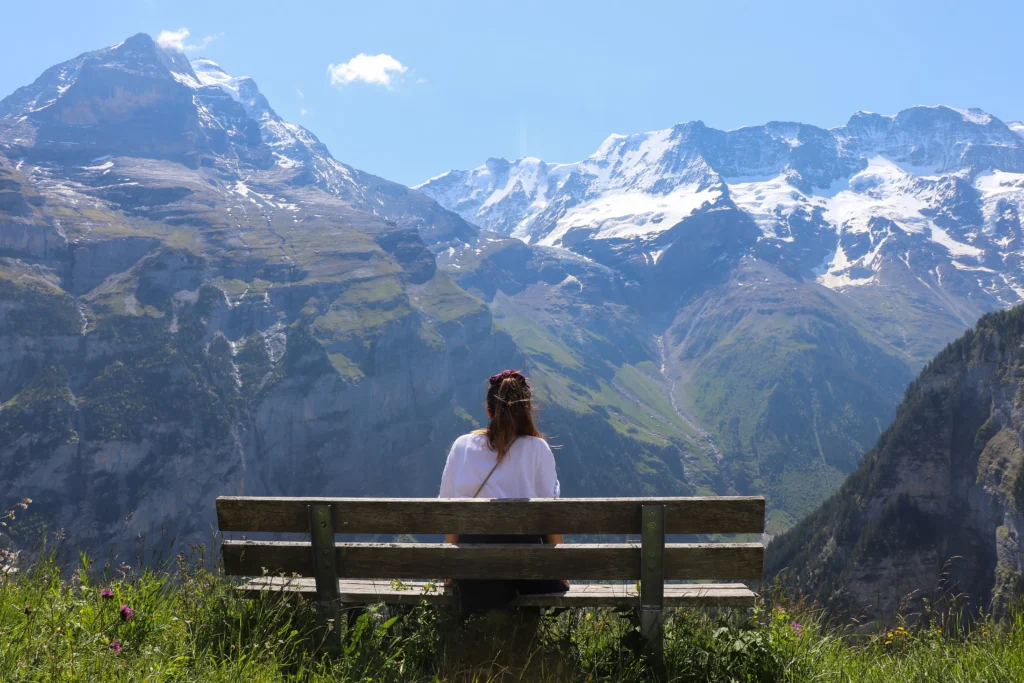
Although Switzerland is a costly country it is also one of the easiest in Europe for a single person to travel in. The trains keep to their schedules, the mountains are not far from a bus stop and you usually don’t need a car. This guide includes information on expenses, passes, destinations, which train journeys are worth the money and a 12-day itineraries.
Is Switzerland a good choice for someone travelling alone?
Yes, it is safe, clean and easy to use, since English is spoken in most tourist areas even though the country has four national languages – German, French, Italian and Romansh. Public transport goes as far as even the smaller villages, so you can live in one place and go on day trips without any stress.
The only disadvantage is that it may seem rather quiet since the Swiss towns go to bed early and Sunday afternoons are slow. If you’re looking for company, then you should stay in hostels, take part in a guided hike, or choose more lively places such as Zurich and Interlaken.
How much does Switzerland cost for a single traveller? (Some tips for saving money)
Above all, this is true for an individual since a room cannot be divided. The cost of a meal at a restaurant seating customers at tables is usually between CHF 25 and 40, and hotel rooms can quickly become expensive in the summer months. It is advisable to check the current prices before making your budget.
A few habits keep costs down:
You should buy your food in supermarkets, since Coop and Migros sell sandwiches, salads and picnic food and they also have seating areas.
Take the tap water; it’s excellent and you can refill at public fountains which are free.
Get the lunch special since a number of restaurants have a cheaper menu during the middle of the day.
Sleep in hostels; the Swiss ones are clean and well managed and many of them have private rooms.
Inquire about guest cards; some hotels and hostels provide free local transport.
Instead of attending the costly summits, pick one or two major mountain trips and use the rest of your time for free walks, visits to lakes, and exploring old towns.
You’ll find that cards are accepted nearly everywhere, although it’s not expected that you leave a tip, even though rounding up is a common practice.
Getting Around: The Swiss Transport Network
Almost everywhere there are trains, buses and boats, and the connections are arranged so that you can change transport with a few minutes to spare. You can use the SBB app to get information about the timetables and to buy tickets. Many mountain railways and cable cars operate separately and carry an extra charge.
Should you get the Swiss Travel Pass?
It includes access to trains, buses, boats, and a number of museums for a fixed number of days and offers reduced rates on most mountain lifts. It is convenient since it avoids the need to purchase tickets separately. It is most suitable when you intend to travel almost every day and also go on paid mountain trips; however, if you are planning a more leisurely journey involving a few long journeys, you should work out the costs first, as in some cases buying individual tickets or obtaining a Half Fare Card might be cheaper. Nevertheless, even with a pass a reservation for panoramic trains must be made in advance.
What concerning the purchase of an Interrail pass?
Since Interrail and Eurail tickets are acceptable on Swiss trains, they are also suitable for people who are visiting the neighbouring countries. They offer fewer mountain concessions than the Swiss pass, so you should calculate the entire route before making your choice.
Where to Go: The Best Places for Solo Travelers in Switzerland
Bern

The capital is small, peaceful and easy to enjoy. The medieval old town is a UNESCO site and features covered arcades, fountains and the Zytglogge clock tower. To get a view of the entire city walk to the Rosengarten and, in the summer, join the locals as they float down the Aare river. Bern also serves as a convenient base for day trips.
Vevey and Montreux (Day Trip From Bern)
They are situated on Lake Geneva, with the Alps lying behind them, and can be reached by train in about an hour and a half. Between the two towns you can stroll along the lakeside promenade, visit Chillon Castle, which is just outside Montreux, and look for the statues of Charlie Chaplin and Freddie Mercury. The terraced Lavaux vineyards nearby are a UNESCO site and suit a leisurely wine walk.
Zermatt
Zermatt is a typical mountain village, having no cars and being dominated by the Matterhorn. The railway to Gornergrat offers the best views in relation to the cost, and there are endless hiking trails. Leave early because the peak is often hidden by clouds in the afternoon. Although it is expensive, it is necessary to book your rooms in advance during peak season.
Zurich
Most visitors come to this place, and it is worth more than just a transfer. The old town is small and close together, the lake and river are clean enough to swim in during the summer, and Uetliberg provides a view of the city after a short train journey. There are museums, cafés, and a variety of nightlife, which is why it’s the easiest place to meet people.
Lugano
Lugano has a more Italian atmosphere than a Swiss one, with its piazzas, gelato, and palm trees by the lake; it is located in Ticino, a region with milder weather and a slower pace of life. You can take the funicular to Monte Brè or Monte San Salvatore and then walk along the lake path to the village of Gandria.
Interlaken and the Bernese Oberland
Interlaken is situated between two lakes and serves as a gateway to the high Alps; it is possible to get to Lauterbrunnen, whose valley is lined with waterfalls, as well as to Grindelwald, Mürren and the Jungfraujoch railway. Activities such as hiking, paragliding and canyoning are available and the area has a large number of other solo travellers. The hostels in this area are among the most social in the country.
Swiss Train Journeys Worth Travelling For
The Glacier Express
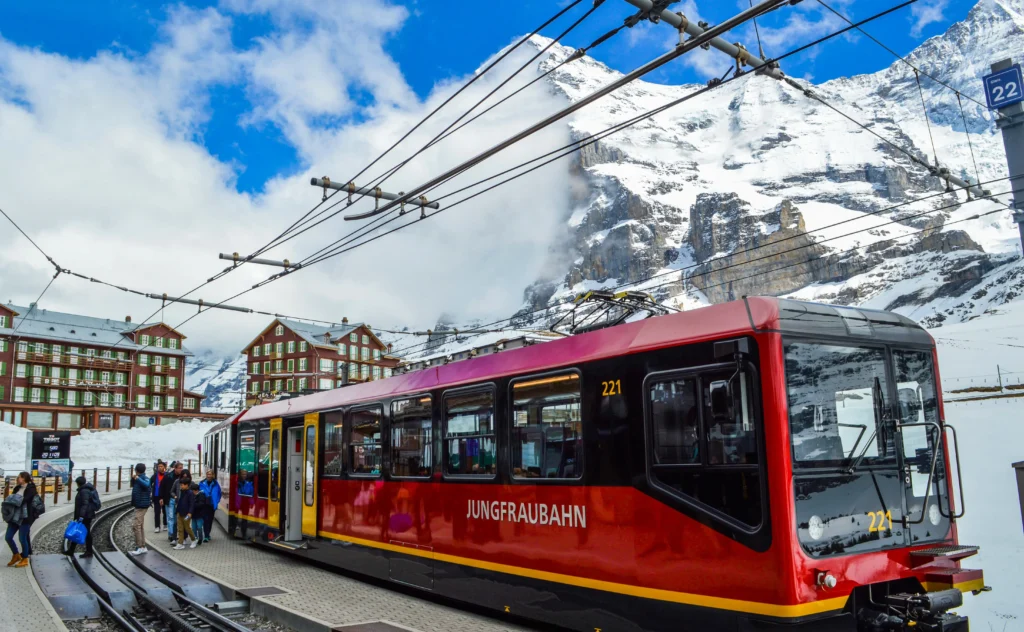
The train which is slow takes about eight hours to run from Zermatt to St. Moritz; it goes over high passes and has the dramatic Landwasser Viaduct, with panoramic windows all along. The main attraction is the scenery rather than the speed and seat reservations are necessary.
The Bernina Express
This route, which is listed by UNESCO, extends from Chur or St. Moritz to Tirano in Italy and involves climbing past glaciers as well as going over the Brusio spiral viaduct; a bus then links Tirano with Lugano, and this is the way that many people connect the two places.
Other Trains Worth Considering
The GoldenPass Line runs from Montreux to Lucerne via the lakes, the vineyards, and the meadows.
The Gotthard Panorama Route, from Lucerne to Lugano, involves a boat trip and a train journey.
The Jungfrau Railway brings you to the Jungfraujoch, which is about 3,450 meters above sea level, though it is rather expensive, so you should choose a clear day.
Practical Tips for Solo Travel in Switzerland
You should check the weather each day since mountain conditions can change quickly and a cloudy day might spoil an expensive summit trip. Many resorts provide webcams.
Reserve your lodging as early as possible in July, August, and during the ski season.
Buy before Sunday, because most shops close although some supermarkets and the stations remain open.
You can use luggage lockers or arrange for luggage transfer; the stations provide lockers and allow you to send your bags on ahead between towns.
Stick to the designated trails; the hiking routes are indicated by yellow signs and the paths are well kept.
It’s important to check for seasonal closures, since some lifts and trails close during the spring and autumn.
On Sundays and at night you should keep quiet since the rules regarding noise are enforced.
Female Solo Travel in Switzerland

Switzerland is one of the safest countries in the world and it is common for women to travel there alone without any problems. The trains, the cities and the villages are usually pleasant at all times. As always, it is necessary to take normal precautions: keep an eye on your bag in crowded stations, stay alert at night in the bigger cities and have trust in your own instincts.
The greatest dangers are to be found in the mountain areas. When hiking by yourself, you should let somebody know your intended route, check the weather forecast, take with you some water and a fully charged mobile phone, and return early if there’s a change in the weather. Those who are beginners should stay on clearly marked paths and use the lifts or the trains available at either end.
Suggested Solo Itinerary: 12 Days in Switzerland
From day one to day two we were in Zurich, visiting the old town, seeing the lake, and going up to Uetliberg.
Third day: Bern, including the old town, Rosengarten, and the river.
On day four we visited Vevey and Montreux, taking a walk by the lake and seeing Chillon Castle.
From day 5 to 7: the Interlaken area, including a hike or a lift trip and one free day in case of good weather.
Days 8 to 9: Zermatt, with a trip on the Gornergrat railway and a mountain hike.
Day 10: Glacier Express. Travel from Zermatt to St. Moritz.
On day 11 we took the Bernina Express from St. Moritz to Tirano and then continued on to Lugano.
Day 12: Lugano. Lake, funicular, and a quiet last day.
You can fly back home from either Zurich or Milan from Lugano; adjust the days depending on the forecast and keep at least one extra day in case of bad weather.