
Solo Travel in Japan: 8 Cities, Itineraries & Tips
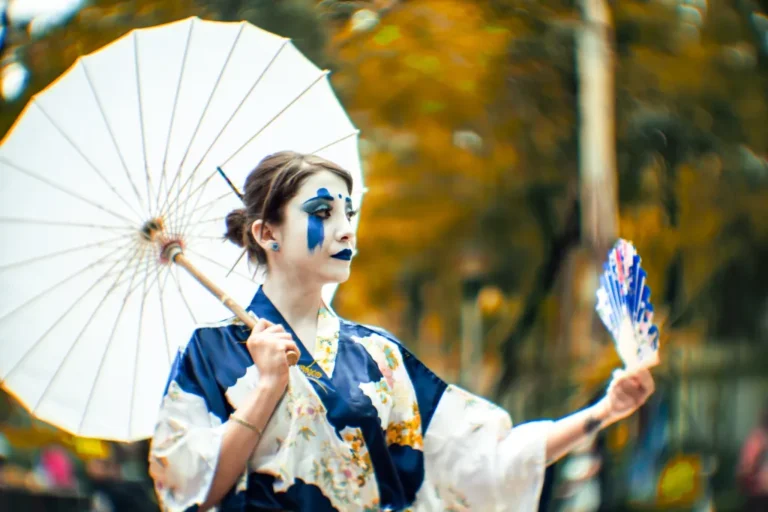
Find your next stop: compare eight Japanese cities, explore two itinerary ideas, and plan the practical details of traveling on your own.
Traveling in Japan by yourself is easy since the trains stick to their timetables, the streets are safe, and it’s such a common thing for people to eat alone that there are even individual booths available in some restaurants. The problem is working out which city to visit, and the following eight cities are suitable for solo travelers, along with a short guide to assist you in making your choice.
Is Japan Good for Solo Travel?
Yes, there being a few exceptions. It is quite normal to dine by yourself, to see the sights by yourself, and to travel by yourself. The drawbacks are small: the difficulty with the language when you are outside the big cities, the fact that some restaurants are small and can be full, and the slower, more modest pace compared to that in Southeast Asia, since getting to know people does require a certain amount of effort. These difficulties can be dealt with by means of hostels, walking tours and food tours.
The Best Cities in Japan for Solo Travelers
Tokyo: A Great First Stop
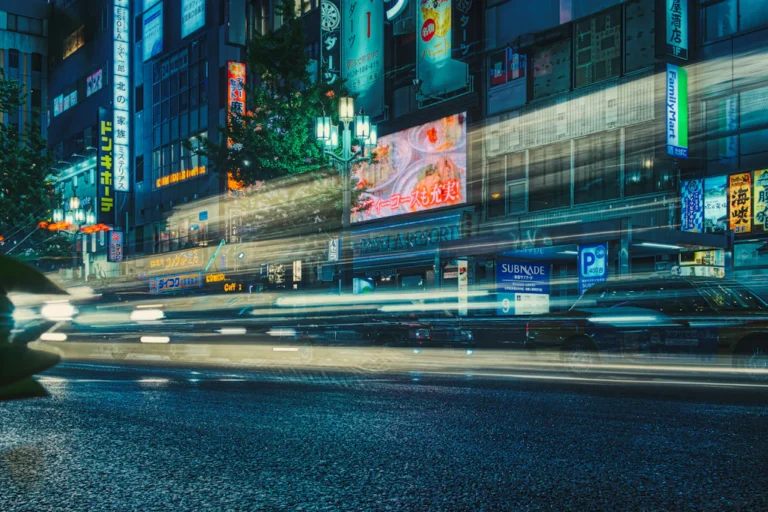
Tokyo is very large but provides more than any other city on a per square mile basis, and it is highly tolerant of people who are new to the city. The signs are in English, the subway system becomes easy to understand after having taken it twice, and each district has its own character, extending from the traditional streets of Asakusa to the neon lights of Shinjuku.
Better to pick two or three spots each day rather than trying to see them all. There is perhaps no better experience for an individual in the country than sitting on one bench at a ramen shop or an izakaya.
Give it a period of three to five days.
Kyoto: Temples, Tea Houses, and Early Mornings
Kyoto is a city full of shrines and old wooden streets and gets very crowded. The way to deal with this is to select the right time; visit Fushimi Inari and the Arashiyama bamboo grove at sunrise and use the middle of the day for the more peaceful places like the smaller temples and gardens.
Gion looks quite pleasant in the evening, but it’s necessary to show respect since people live and work in the area, so if you want to meet other travellers you should stay in a machiya guesthouse or a small hostel.
A span of two to three days is enough.
Osaka: Street Food and City Life
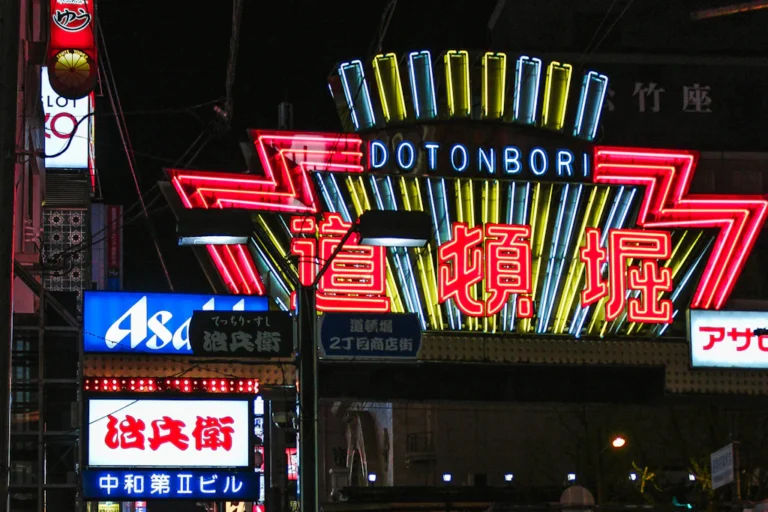
Osaka is in fact a more relaxed alternative to Tokyo; Dotonbori is the famous neon area, and the main attraction there is the food—takoyaki, okonomiyaki, kushikatsu, and all the other dishes that are sizzling up beside you.
In this town people are more likely to speak to strangers than they are in any other part of Japan, which is a benefit when you are traveling on your own. It is also a good place to start a day trip to Kyoto, Nara and Himeji.
Put it there for two or three days.
Fukuoka: Ramen and a Relaxed Pace
Fukuoka is compact and easy to walk around in, it is near the sea, and the main draw is the food—especially the substantial Hakata-style ramen and the open-air yatai food stalls along the river at night, where you end up sitting shoulder to shoulder with both locals and other tourists.
It is easy to remain in the place for two days without making a plan and the cost will be much less than that in Tokyo.
Hiroshima: History and Quiet Reflection
The Peace Memorial Park and Museum are among the most touching places in Japan and are better understood when visited individually at one’s own speed.
Later on, why not take a walk along the river or travel by ferry to Miyajima island, where there is a floating torii gate.
You can taste okonomiyaki in the Hiroshima way, this variety using noodles and so differing from the Osaka style.
The best approach is to take one or two days.
Kanazawa: Gardens and Historic Districts
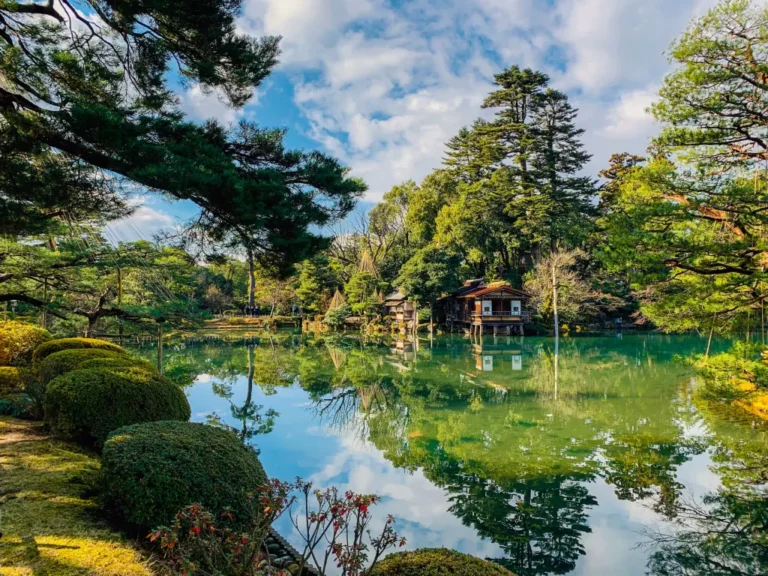
Kanazawa has a geisha district that is well preserved, a district where samurai live, Kenrokuen which is one of Japan’s most well-known gardens, and a seafood market.
It gets only a fraction of the number of visitors that Kyoto does; it lies about two hours and a half by bullet train from Tokyo, which makes it easy to include as part of a longer trip.
Sapporo: Winter Scenery and Local Food
Sapporo is at its finest in winter because the city is then snow-covered, the food is warm—for example, miso ramen, crab, and soup curry—and the Snow Festival occurs in early February.
The city is wide and well organised and acts as a base for skiing excursions; it is also pleasant in the summer, although the experience is different.
Nara: Temples and a Day Trip
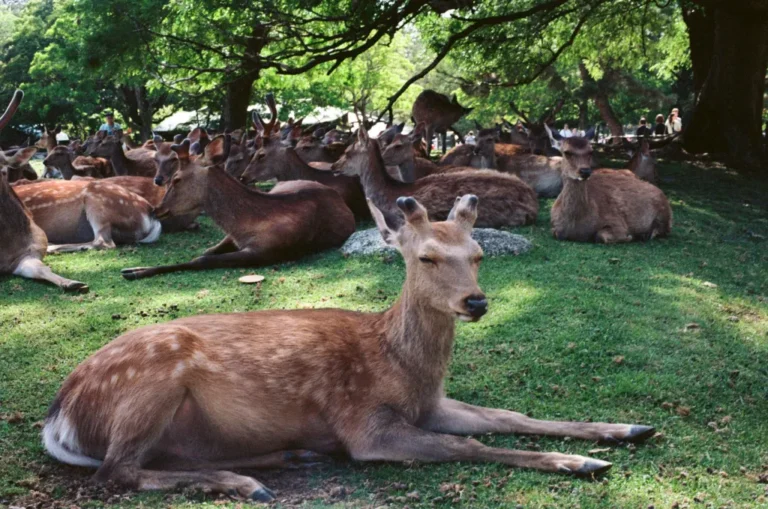
Nara is small and has friendly deer in the park, the large Buddha at Todai-ji, and peaceful paths running between the temples.
From Kyoto it takes about 45 minutes to get there and as it is easy to reach from Osaka it can generally be seen within one day.
Which Japanese City Is Right for You?
This is your first time going and the deal is only available for a short period, so visit both Tokyo and Kyoto and if you get the chance then include Osaka.
You love food. You love Osaka and Fukuoka.
You want peace and quiet. Try Kanazawa, Hiroshima, and Nara.
You are in Sapporo in winter.
You are having to work with a smaller budget because Fukuoka and Osaka are cheaper than Tokyo and Kyoto.
Japan Solo Travel Itineraries
One Week: Tokyo, Kyoto, and Osaka
Stay in Tokyo for four nights, two in Kyoto, one in Osaka, and visit Kyoto on a half-day trip, moving between the cities by shinkansen.
Ten Days: Add Hiroshima and Kanazawa
The plan calls for a stay in Tokyo (3 nights), then Kanazawa (1 night), followed by Kyoto (2 nights) and Osaka (1 night), with two nights in Hiroshima—thus offering a more peaceful choice between a large city, old Japan and history.
Is Japan Safe for Solo Travelers?
Violent crime is uncommon, lost wallets are often given back, and women usually travel alone without encountering any difficulties.
The usual rule applies: you should exercise caution wherever alcohol is concerned and shouldn’t agree to go to an expensive bar in Kabukicho or Roppongi if someone suggests it.
It is also important to note that the final trains depart around midnight and it would be possible for the return journey by taxi to be expensive. As earthquake alerts are received on phones, ensure that your position and emergency settings are correct.
Practical Tips for Solo Travel in Japan
Eating Alone in Japan
Everything relating to the seating, the ticket machines, and the restaurants that provide set menus is intended for one person at a time; therefore, you should go for ramen shops, teishoku (set meal) restaurants and those which have a sushi bar where you stand.
Getting Around Japan
Obtain a Suica or Pasmo IC card, since it is possible for a number of iPhones to have this card added to them so that you can tap when taking the train or bus.
In 2023 the price of the Japan Rail Pass increased, therefore you should see whether individual tickets are a cheaper option for the route you plan to take.
Cash and Card Payments
Greater numbers of cards are now accepted than have been the case in the past, but small restaurants and shrines still tend to accept cash.
Navigating the Language Barrier
Get Google Translate and, by installing the Japanese package, use the camera feature from the menus.
Phrases like ‘sumimasen’ (excuse me) and ‘arigato’ (thank you) are very useful.
Luggage Forwarding
Use baggage forwarding (takkyubin) to send your suitcases from one hotel to another so that the only thing you need to carry on the train is a small bag.
When to Visit Japan
Cherry blossoms, generally appearing from late March to early April, and the leaves that fall in November are both very beautiful and also quite busy, so it is necessary to book as early as possible and be ready to pay higher prices.
In late spring and early autumn the weather is more pleasant and quieter, whereas in summer it is hot and humid and in winter it is cold but clear and gives good value in most cities.
Japan Solo Travel: Frequently Asked Questions
Is Japan a Good Destination for Your First Solo Trip?
Japan is safe, clean and well organised. Japan is among the easiest countries in Asia for a first‑time visitor.
How Many Days Do You Need in Japan?
Japan can be seen in a week but Japan is best explored, over ten days to two weeks and Japan will let you visit more peaceful cities without rushing.
How Much Does a Solo Trip to Japan Cost?
Japan cost depends mainly on the type of accommodation you choose and the exchange rate because Japan street stalls and hostels are cheap while Japan hotels and bullet trains are the biggest expenses. Japan should check prices before preparing your budget.