
Solo Travel in Iceland: Safety, Costs & 15 Best Things to Do
Iceland is one of the easiest countries in the world to explore on your own because it is safe, most of the people speak English and the main attractions have been built with tourists in mind. The drawback, though, is its high cost and the weather forecast, which may change your plans by the time you have finished your breakfast.
Key Takeaways
• In Iceland the main hazard comes from natural causes not from criminal ones, since the wind, the waves and the icy roads cause far more problems than pickpockets.
• In winter the days are short and you can see the northern lights as well as having access to the ice caves.
• The amount that a person would have to pay in order to take part in small-group tours might be less than the cost of hiring a car.
• Every morning, before you leave, you have to check road.is and the wind forecast.
• The easiest method of reducing your expenses is to select hostels which have shared kitchens and then buy your food at the supermarket.
• You ought to book your tickets for the ice cave tours and also those for the northern lights as early as possible while you’re there, just in case a day has to be cancelled.
Is Iceland a good country for individuals who are traveling alone?
Yes, for it includes a large number of sincere compromises.
The schedule can be arranged (a feature that is useful if the weather changes), the tours are generally available, and the hostels assist you in meeting other people.
The points are correct because the costs place no extra burden on anyone, since a few of the tours do require a single supplement and long drives in bad weather can be rather lonely.
In Iceland you can take as long as you like to think about things since the roads are slow and interesting and nobody is in a hurry to get to their destination.
Best Time to Visit Iceland Solo
The period from June to August is the busiest and most expensive one since the daylight extends almost until midnight and all the roads are open; you should therefore book your lodging and plan your journey as early as possible.
Autumn is at its best from September to October since the nights are dark enough to see the northern lights, the number of visitors drops and the prices fall.
In winter, that is from November to March, the period of daylight at midwinter lasts only four or five hours, which is when the best opportunities for seeing the auroras and visiting the ice caves occur. As the roads can be icy, it is usually best to take a tour rather than to drive on your own.
In spring (between April and May) the region is quiet and less expensive as the puffins return to the coast; some of the mountain roads stay closed and the weather changes rapidly.
Top 15 Things to Do Solo in Iceland

1. Take the Ring Road.
The Ring Road has a length of about 1,300 km and most people take between seven and ten days to make the journey. If you are traveling on your own you have the permission to stop wherever you want and to skip any parts that do not interest you.
2. Attempt to view the Northern Lights
The season extends from September to April, and if the lights are not guaranteed then you should choose a tour that provides free rebooking should you not see them.
3. Go Whale Watching
Boats depart from Reykjavik, Husavik, Akureyri, and Olafsvik; it is always colder when you are on the water so take more warm clothing than you anticipate.
4. Apply the Golden Circle.
Reykjavik is a suitable choice for a first-week day trip because the Thingvellir National Park, the Geysir geothermal area, and the Gullfoss waterfall are all within easy reach of the city.
5. Look along the South Coast
If you want to visit the area behind Seljalandsfoss, take the route under Skogafoss and then go to the black sand beach at Reynisfjara; you have to remain at a safe distance from the waves since sneaker waves are real and hazardous.
6. Indulge in a spa treatment which uses geothermal water.
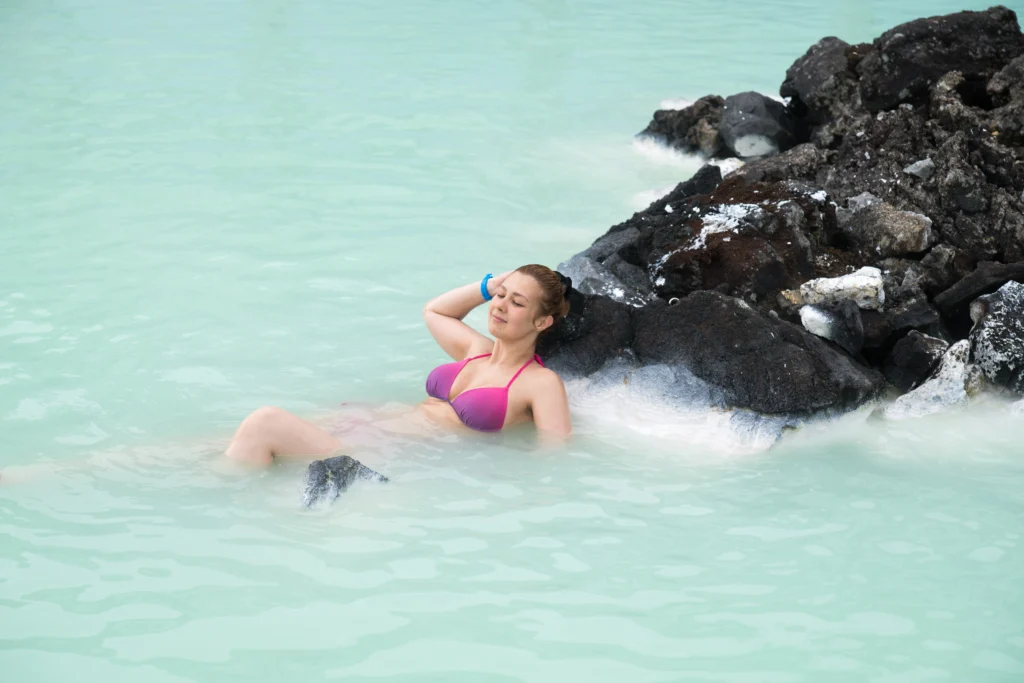
The Blue Lagoon and the Sky Lagoon are the well-known ones, while the local swimming pools are a great deal cheaper and are in fact the ones that Icelanders visit.

7. Try Horse Riding
Icelandic horses are small, strong and have a smooth gait, and beginning riders can take part in this activity since it is a relaxed way of meeting other travellers.
8. Take a hiking trip to a glacier and then visit an ice cave.
In Vatnajokull guided glacier hiking is available all year and the ice caves also open in winter, but it is not advisable to try either of them without having a guide.
9. Go snorkeling at Silfra Fissure.
You find yourself floating between two tectonic plates in water that is cold (about 2 to 4°C) but extremely clear, and the guides give you the wetsuits and other equipment; even though the experience is costly, most people think it is worth the money.
10. Take a look at a lava display
A brief indoor demonstration will be held, this one involving actual molten lava, and that seems like the right thing to do on a rainy day.
11. Go on a road trip along the Snaefellsnes Peninsula
In one day you can see the glacier, the beaches, the lava fields and the well-known Kirkjufell mountain from Reykjavik.
12. Explore North Iceland
To see the Godafoss waterfall, go to Lake Myvatn and do some whale watching at Husavik, and begin your journey in Akureyri.
13. In East Iceland don’t hurry.
It is the most peaceful region in the country, featuring fjords, mountain passes and small villages such as Seydisfjordur.
14. Wander Around Reykjavik
The capital is small and easy to walk around, allowing you to climb the tower of Hallgrimskirkja, cross over to the Harpa concert hall and then browse the shops on Laugavegur.
15. Get to know Iceland by sampling its cuisine.
Get a hot dog from the harbour, along with the lamb soup, the fresh fish, and the skyr. The best value if you are interested in eating well can be found at the bakeries and the soup counters.
Best Adventure Tours for Solo Travelers

The easiest method of meeting people without becoming uncomfortable is to take part in a group tour.
• If you want to go snorkelling or diving at Silfra, the groups are small, all the required equipment is provided and all the participants have the experience of being unable to feel their faces.
• In Akureyri there is a zip-line; it is a short one located in the forest north of the fjord and is used by small groups no matter what the situation is if you are going alone.
• The scavenger hunt in Reykjavik is an interactive quiz which takes 1.5 hours and is ideal as an activity on the first day if you are jet-lagged since it is a convenient way of getting to know the city while meeting people.
As for getting around, a person has to choose between driving themselves and joining a tour.
If you choose to drive on your own, you should book both the car and your place of accommodation as far in advance as possible, plan a general route and leave yourself a few days with no fixed schedule in case the weather turns bad. You have to check the weather every day and must make sure that you never use the standard rental cars on the F-roads since those roads are rough mountain tracks.
For most people who are travelling on their own, joining a tour group is a more economical option than hiring a car, especially if your stay is only a few days.
Top Tour Destinations
The Golden Circle, the south coast, the Jokulsarlon glacier lagoon, Snaefellsnes, Husavik, and the Blue Lagoon are the most popular destinations.
Staying Safe as a Solo Traveler in Iceland
Iceland has always been either second or first in the Global Peace Index since crimes are rare; the actual dangers arise from natural causes.
Be certain to look at the road conditions on road.is and check the alerts and weather.